
Understanding the psychological tricks that drive gambling behavior
The Allure of Risk and Reward
The psychology behind gambling often hinges on the allure of risk and reward. Gamblers are frequently attracted to the possibility of winning large sums of money. At pokiesww-australia.com/, this potential for a significant payoff can override logical thinking, drawing individuals into the cycle of betting. The excitement associated with risking money creates a dopamine release, a chemical associated with pleasure. This feeling often leads individuals to seek out gambling experiences more frequently, creating a habitual pattern.
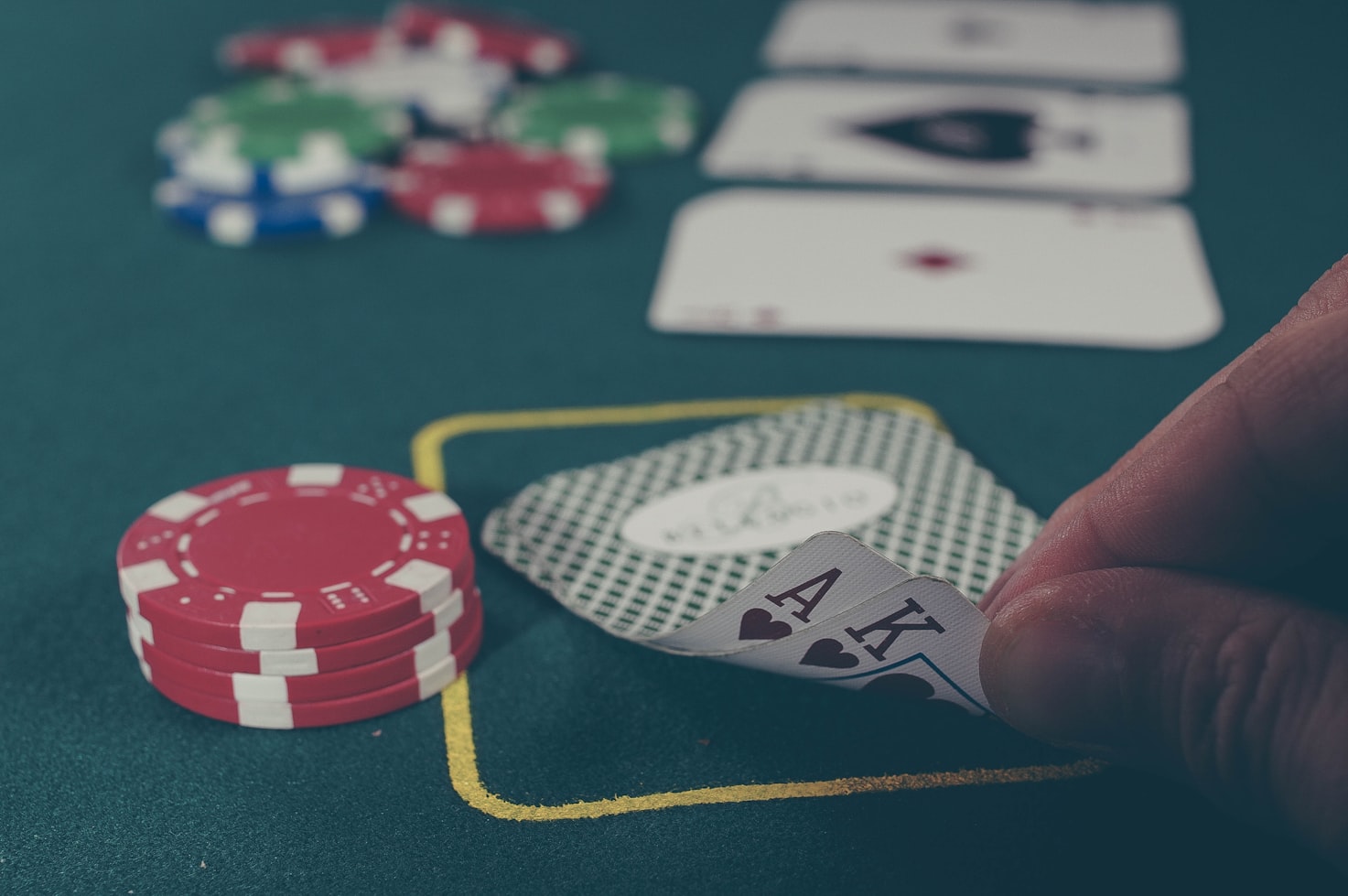
The thrill associated with taking risks is further magnified by the unpredictability of outcomes. People often find themselves captivated by the uncertainty of gambling, which adds an element of suspense and excitement. Casinos design their environments to amplify these feelings, utilizing bright lights, engaging sounds, and alluring visuals to enhance the experience. This strategic design makes it difficult for gamblers to resist the temptations that surround them, leading to a deep psychological engagement.
Moreover, the concepts of near-misses and intermittent rewards play a crucial role in gambling behavior. When players experience near-misses, such as spinning two matching symbols on a slot machine but not landing the third, they perceive a possibility of winning. This psychological phenomenon fuels their desire to keep playing, as they believe they are «close» to hitting it big. Casinos leverage these mechanisms to keep players engaged and returning for more, knowing that the thrill of potentially winning will maintain their interest.
The Role of Cognitive Biases
Cognitive biases significantly influence gambling behavior, affecting how individuals perceive risks and rewards. One common bias is the «illusion of control,» where gamblers believe they can influence the outcome of games that are purely based on chance. This belief often leads individuals to engage in behaviors such as selecting specific lottery numbers or using certain rituals before placing bets. These misguided convictions can increase the time and money spent gambling, as players feel more confident in their chances of success.
Another prevalent cognitive bias is the «gambler’s fallacy,» where individuals believe that past events will influence future outcomes. For example, someone may think that a slot machine that hasn’t paid out in a while is “due” for a win. This fallacy can lead to repeated play, as individuals chase losses or anticipate a payout based on flawed reasoning. As a result, players may extend their gambling sessions longer than intended, contributing to unhealthy gambling habits.
Additionally, selective memory plays a role in reinforcing gambling behavior. Gamblers often remember their wins more vividly than their losses, which can skew their perception of their overall experience. This selective recall can create an inflated sense of success, encouraging continued gambling. Casinos exploit this by promoting stories of big winners and displaying flashy payouts, further reinforcing the myth that winning is more common than it truly is.
The Impact of Social Influences
Social influences also shape gambling behavior, as individuals often engage in gambling activities within social contexts. The presence of peers can enhance the excitement of gambling, creating a communal experience that feels more rewarding. People may feel a sense of belonging when partaking in gambling activities with friends or family, further encouraging their participation. This social dynamic can lead to a heightened sense of competition and an increased willingness to bet larger amounts of money.
Peer pressure can further exacerbate gambling behavior, especially among younger individuals. As they witness friends or acquaintances participating in gambling, they may feel compelled to join in, believing it to be a social norm. This tendency can lead to a cycle of gambling among social circles, as individuals may seek to keep up with their peers or gain social approval. The fear of missing out can become a significant motivating factor, compelling individuals to engage in gambling even when they might otherwise refrain.
Furthermore, the influence of social media has transformed how gambling behaviors are perceived and normalized. Online platforms often promote gambling as a fun and social activity, glorifying the lifestyle associated with winning. This portrayal can lead individuals to develop unrealistic expectations about their own gambling experiences. As they become more entrenched in these social narratives, they may overlook the inherent risks associated with gambling, ultimately reinforcing their behavior.
The Role of Marketing in Gambling Behavior
Marketing strategies employed by casinos and online gambling platforms are designed to tap into the psychological triggers that drive gambling behavior. These strategies often include enticing promotions, free trials, and loyalty programs that appeal to potential gamblers. By offering attractive bonuses and rewards, casinos make it easier for individuals to start gambling without fully realizing the financial implications. This initial incentive can lead to a slippery slope, as players become accustomed to the excitement and chase after more rewards.
The use of targeted advertisements further enhances the gambling experience by appealing to specific demographics. Advertisements often feature relatable scenarios and highlight the social aspects of gambling, making it seem more accessible. They tend to focus on the fun and excitement while minimizing the risks involved, leading potential gamblers to view it as a harmless activity. This calculated marketing approach can influence individuals’ decisions, making them more likely to engage in gambling.
Additionally, casinos often employ loyalty programs that reward frequent players. These programs can create a false sense of achievement, encouraging individuals to play more in pursuit of exclusive perks. By reinforcing the idea that loyalty equals rewards, casinos effectively deepen the engagement of their players. This psychological trick keeps gamblers returning, often leading them to overlook the potential financial consequences of their behavior.

Why Choose PokiesWW for Your Gambling Experience
When exploring the fascinating world of online gaming, PokiesWW Australia stands out as a premier destination for players seeking a thrilling yet responsible gambling experience. The platform offers an extensive range of games, including over 8000 premium pokies and live dealer options. This vast selection ensures that players can always find something that suits their interests while also keeping their gaming experience fresh and exciting.
At PokiesWW, user experience is paramount. Players benefit from a seamless interface, instant payment options like PayID, and cryptocurrency withdrawals, allowing for a modern and efficient gaming experience. Furthermore, the platform offers enticing promotions, such as a 100% free bonus and free spins on popular games, which enhances the initial experience for new players while keeping current users engaged.
In addition to the games and promotions, PokiesWW is committed to responsible gaming practices. With reliable customer support readily available, players can seek guidance and support whenever needed. This level of care demonstrates a dedication to creating a safe and enjoyable environment for all users, making PokiesWW an ideal choice for those looking to understand and enjoy the psychological aspects of gambling without falling victim to its traps.